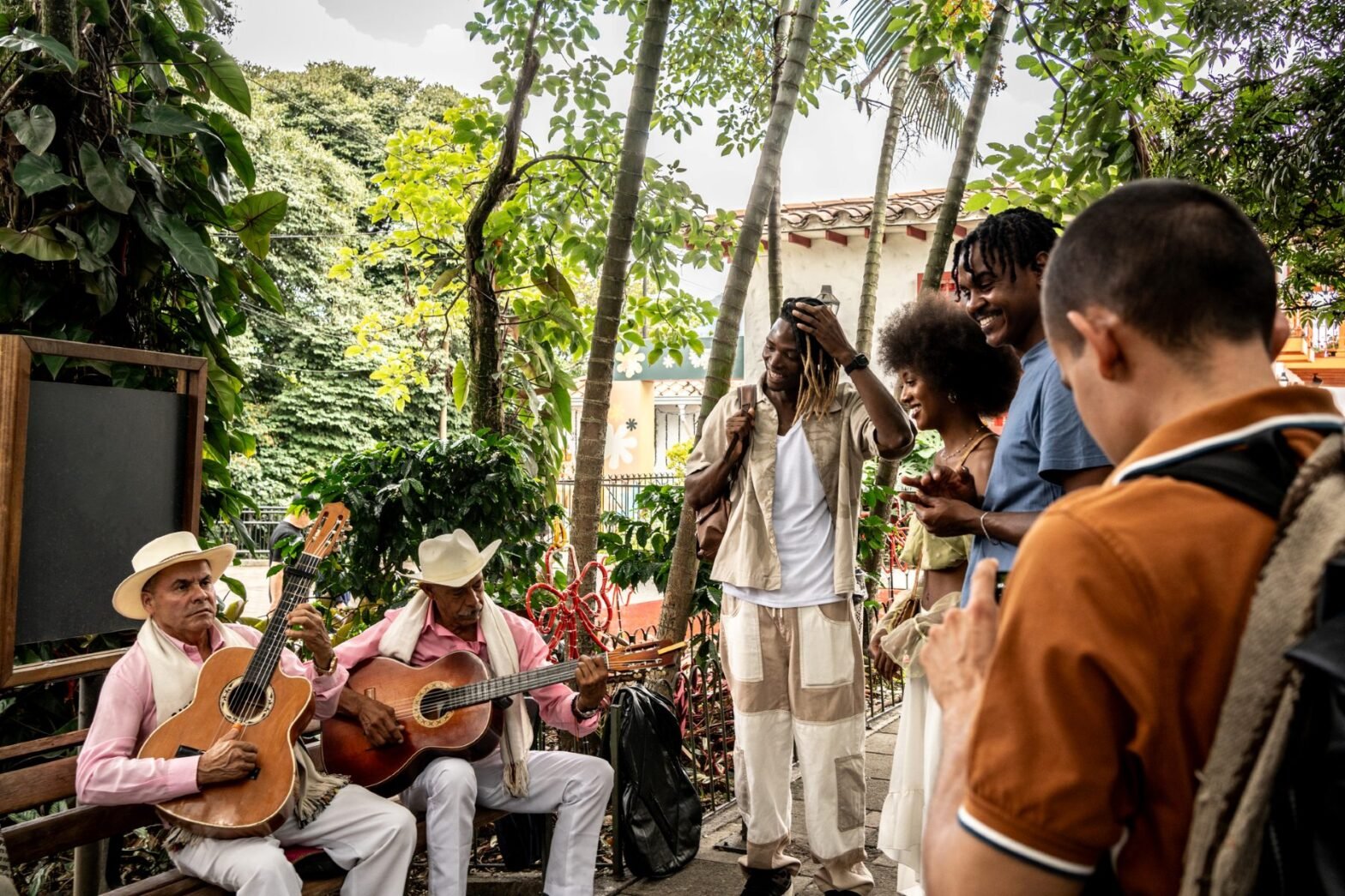
In Medellín, Colombia, libraries have become part of a wider effort to change how residents experience their city. Some occupy former prisons and police facilities, bringing books and cultural programs into spaces with very different histories. Elsewhere, bookstores, public reading rooms, and literary gatherings have helped establish a cultural scene that extends beyond the city’s best-known tourist attractions. That investment has particular significance in a place that endured decades of violence and has spent years expanding access to education and public spaces.
For visitors, it also offers a way to understand Medellín beyond the street art, restaurants, and neighborhoods that already attract international travelers. The city’s literary ambitions will receive global attention in 2027, when Medellín becomes UNESCO’s World Book Capital. The recognition will bring a year of programming focused on books, reading, and storytelling, beginning April 23, World Book and Copyright Day. It will also place the city’s public libraries and literary festivals on an international cultural calendar.
Why UNESCO Chose Medellín As The 2027 World Book Capital
UNESCO announced Medellín’s selection in March 2026, following a recommendation from its World Book Capital Advisory Committee, which includes representatives of publishers, booksellers, authors, and libraries. Medellín will become the 27th city to hold the title since the program began in 2001, succeeding Rabat, Morocco. It will also be Colombia’s second host, after Bogotá in 2007. The UNESCO announcement cited more than 110 bookstores and 25 libraries in the city. It reported a 542% increase in bookstores over the past seven decades and identified Medellín as the leader of Colombia’s national reading index.
Its library network has helped expand access to cultural facilities in communities affected by conflict. UNESCO Director-General Khaled El-Enany called the designation “a powerful message on how culture can build peace and social cohesion.” The organization also recognized Medellín’s capacity to organize major cultural events and promote literacy among young people and vulnerable communities.
Medellín’s World Book Capital proposal, developed by city officials beginning in 2024, centers on children’s reading, reading comprehension, access to books, support for publishing, and literary creation. These priorities will guide its activities throughout the designated year.
What Travelers Can Expect In Medellín In 2027
Medellín has already confirmed several literary events for travelers to consider. The city’s annual Fiesta del Libro y la Cultura will run from September 10 to 19, 2027, at the Botanical Garden. The gathering brings together authors, publishers, and readers for discussions, presentations, workshops, and exhibitions. City officials have named the Community of Madrid as the 2027 guest of honor and Astiberri as the featured international publisher.
Other scheduled events include the Children’s Book Festival from February 25 to 28, the Días del Libro book fair in May, and a youth reading event on July 3. The February festival takes place before the official World Book Capital year begins. The city is also working with Hay Festival on Medellín39, an initiative that will select 39 Latin American fiction writers under 40. Organizers plan to announce the selected authors in January 2027, ahead of events scheduled for September 17 to 19, alongside the book festival.
Beyond festival dates, visitors can explore Medellín’s permanent literary institutions. The Biblioteca Pública Piloto maintains historical and photographic collections, while the city’s library parks offer reading spaces and community cultural programming. The Botanical Garden also has a reading room specializing in botany and biodiversity. Medellín’s government says its broader World Book Capital plans include more than 25 programs. Travelers considering a 2027 visit can follow the city’s official cultural announcements for event schedules, venues, and admission details as organizers release them.